
There’s something magical about watching your children transform from restless little ones who can’t sit still in museums to engaged teenagers/young adults who actively seek out the stories hidden in every rock formation and historical marker. Our recent adventure to Virginia’s Natural Bridge became an unexpected lesson in how dramatically the travel experience changes as kids grow, and how much more rewarding it can become.
A Presidential Purchase Worth Preserving
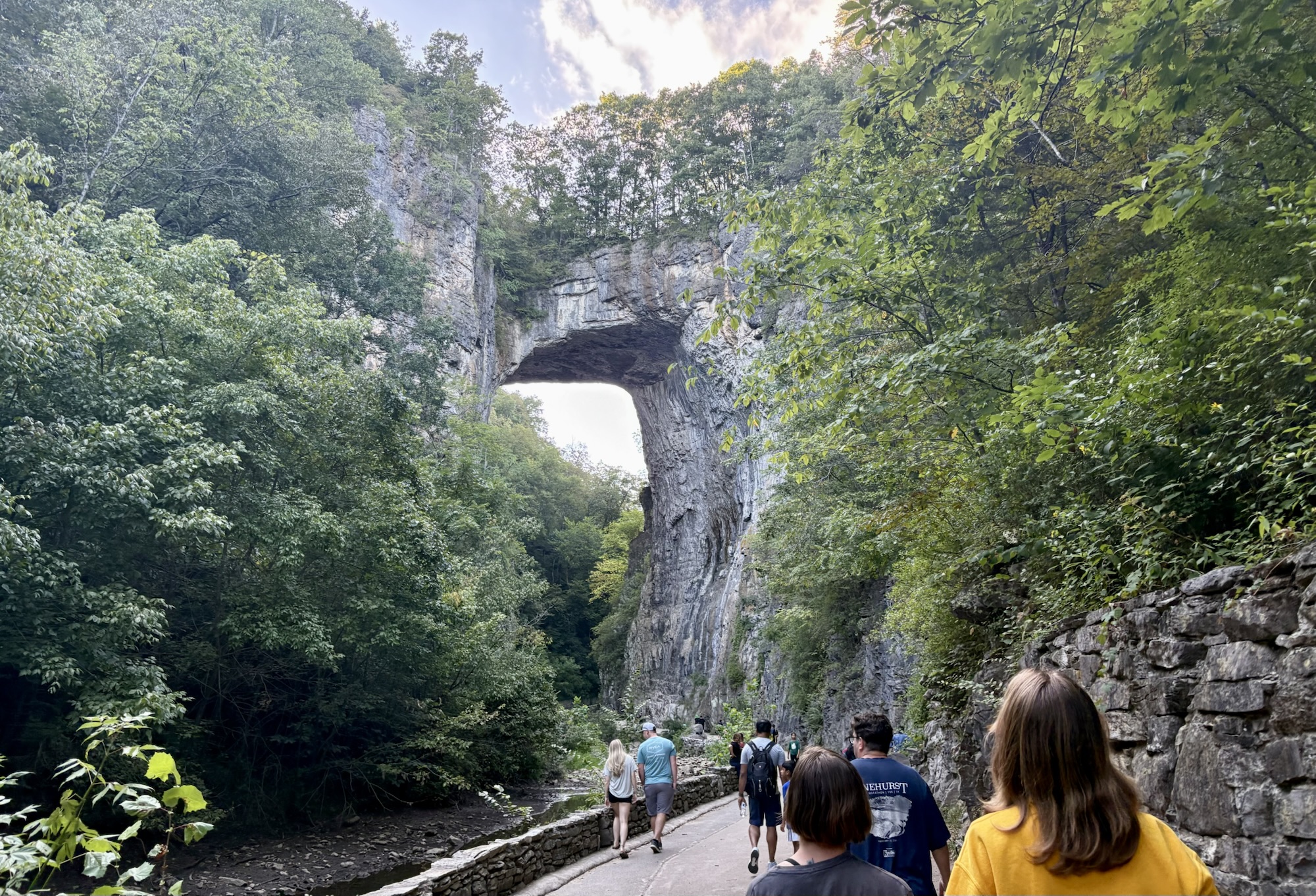
Standing majestically in the heart of Virginia’s Shenandoah Valley, Natural Bridge State Park showcases one of America’s most remarkable geological formations. This 215-foot-tall natural limestone arch was once owned by Thomas Jefferson, who purchased the natural wonder and the surrounding 157 acres from King George III in 1774 for 20 shillings, approximately $200 in current money, which seems like a remarkably small amount by today’s standards. According to the signage, Jefferson called it “the most sublime of nature’s works” and was determined to preserve it for future generations. After his death, his heirs eventually sold the property. Fortunately, dedicated individuals continued to protect this treasure until it became Virginia’s 37th state park in 2016.
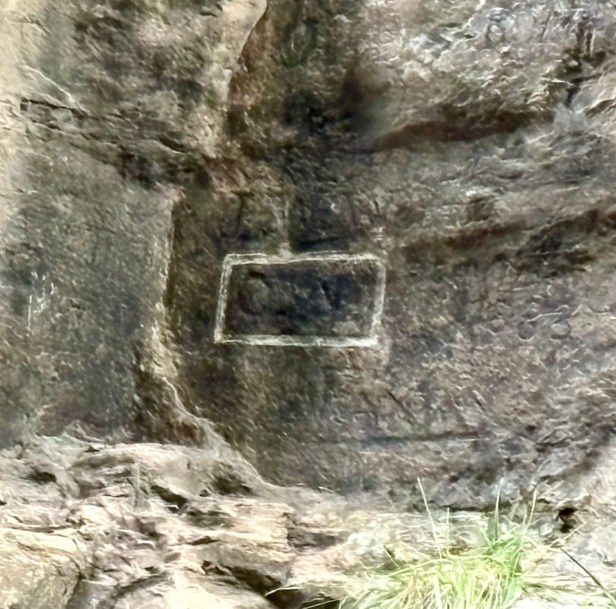
The bridge’s historical significance extends beyond Jefferson’s ownership. Legend tells us that a young George Washington surveyed the area and carved his initials into the rock face — markings that create their own treasure hunt for modern visitors. As we discovered, finding those initials is like playing “Where’s Waldo” on a massive limestone cliff, scanning the rock face for a rectangle maybe a foot wide and six inches tall. But that’s exactly the kind of detail-oriented challenge that captivates older kids in ways that would have been impossible when they were toddlers running around, more interested in echoes than history.
The Joy of Traveling with Engaged Young Minds
Venturing with adult kids, or teenagers approaching adulthood, offers a different dynamic than traveling with little ones. Gone are the days of lugging strollers down endless stairs (and trust me, Natural Bridge has lots of stairs descending from the welcome center to the trail). Instead of children who run around not paying attention, you’re accompanied by young people who read the informational signs, point out details you might have missed, and actively engage with you and their surroundings.
The approach to Natural Bridge perfectly illustrates this evolution. Located off Interstate 81 at exits 175 and 180-A, about 15 miles south of Lexington, the park welcomes visitors through a beautiful welcome center that resembles an old post office, brick construction with tall columns and gleaming floors filled with handcrafted Virginia-made furniture and goods. It’s what happens after you pay the $9 adult admission that really showcases the difference.
Those stairs I mentioned? They’re uneven and numerous, requiring careful footing, a challenge that would have meant constantly watching little ones to prevent tumbles. With older kids, the descent becomes an anticipatory journey, building excitement for what lies ahead rather than anxiety about safety.
Adventures Underground and Along the Creek
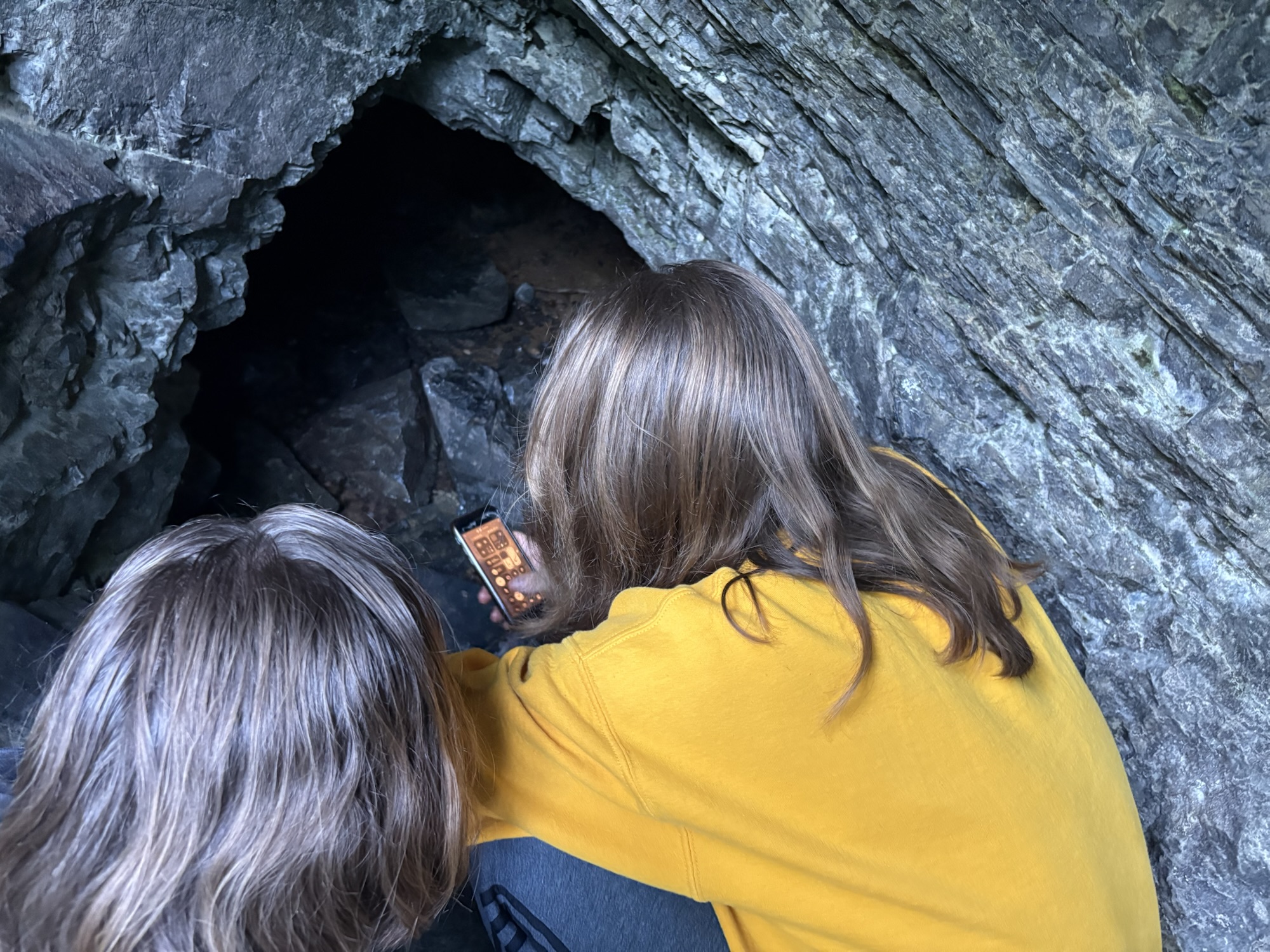
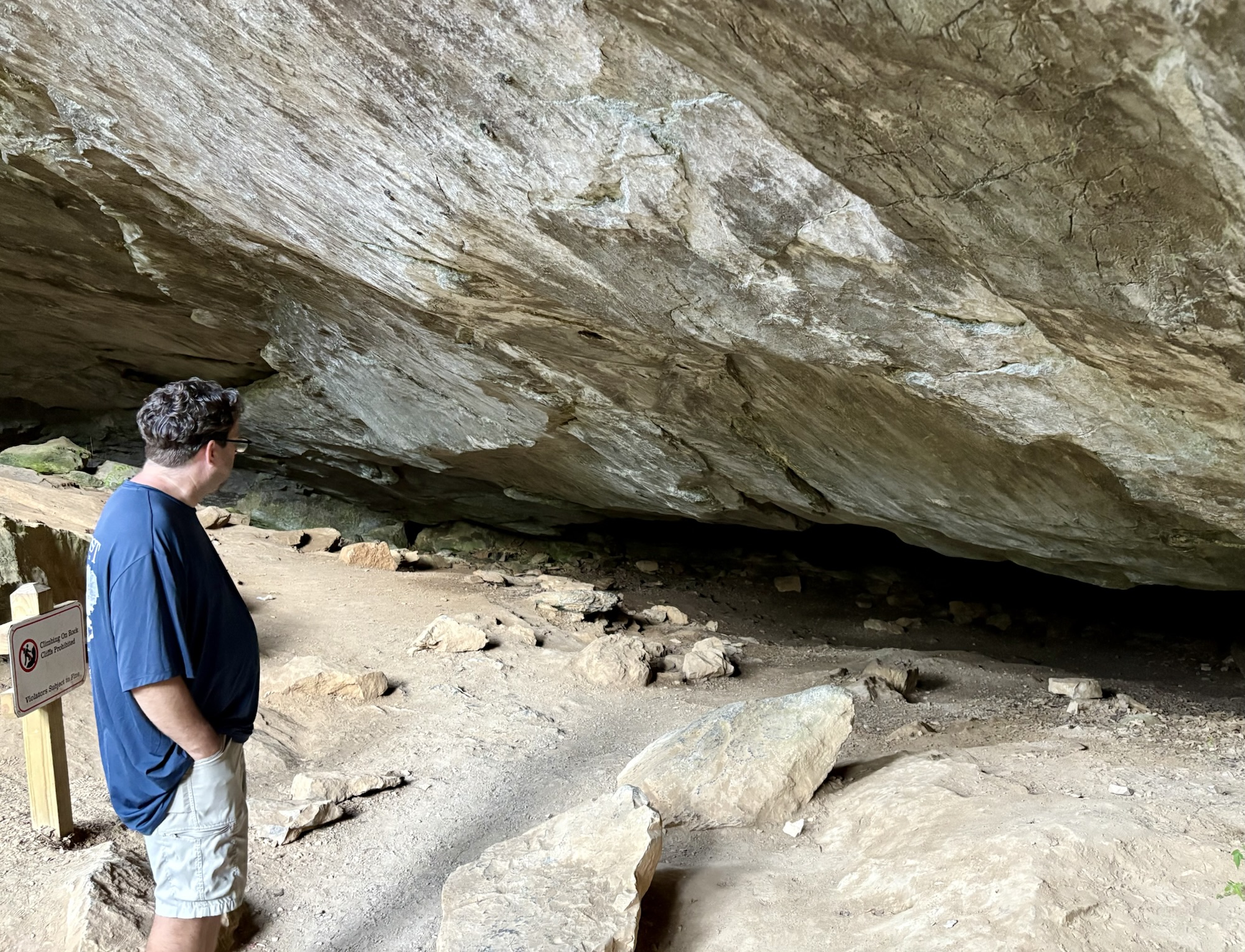
The mile-or-two trail that winds through the complex offers multiple discoveries that engage maturing minds in different ways. The caves along the path provide fascinating glimpses into both natural history and human ingenuity. One cave, once used to store ammunition, opens into a surprisingly large chamber that’s about 10 degrees cooler than the outside temperature, a refreshing respite and a tangible lesson in how people historically used natural features for practical purposes.
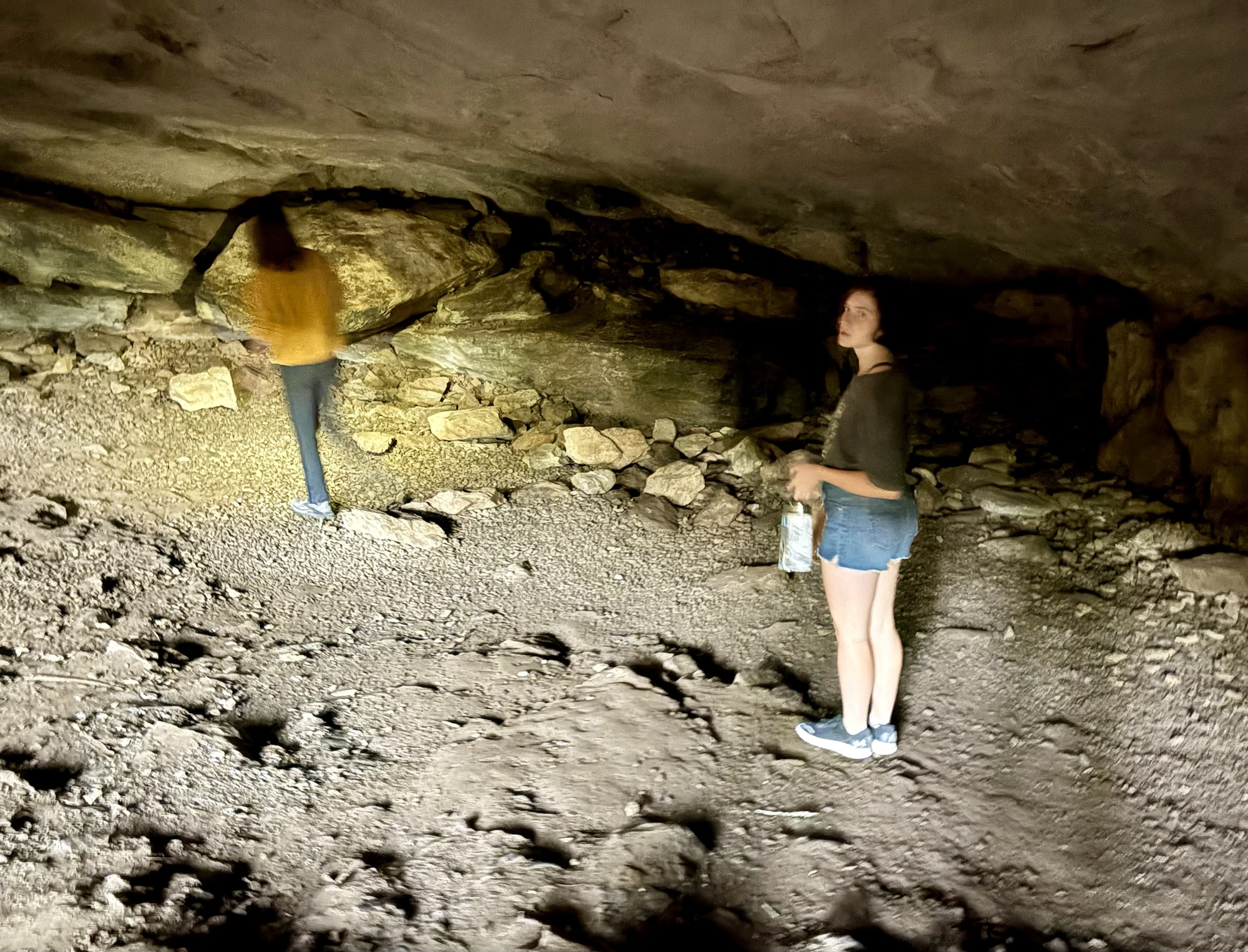
Another smaller cave showcases human innovation, where miners discovered a natural spring and engineered a way to transport that pristine water to their mining operations. While little ones might need constant supervision around the drop-off to the water (and could easily slip into spaces where they shouldn’t go), older kids can appreciate both the engineering marvel and exercise appropriate caution independently.
The trail itself — a mixture of gravel, asphalt, and concrete paths — winds alongside Cedar Creek, whose crystal-clear waters have carved this limestone landscape over the course of a millennia. The water is so pristine you can spot fish swimming in the deeper sections, and remarkably, there’s no trash cluttering this natural wonder.

Lace Falls and Living Memories
The journey culminates at Lace Falls, a 30-foot waterfall that represents the ongoing geological process that created the Natural Bridge itself. This erosion over thousands of years has carved beautiful limestone cliffs and created a pristine stream environment that sparks conversations about other places we’ve lived and explored — like the bike paths along rock cliffs in Ohio that would freeze slick in winter.
The ability of older children to relate new experiences to existing memories and create meaningful associations represents perhaps the most profound difference in traveling with maturing kids. Instead of living in the moment (which has its own magic), they’re building a personal book of experiences, understanding how the tough, resourceful people of Appalachia learned to survive in these beautiful but challenging landscapes.
The Evolution of Wonder
Watching kids evolve from those who find everything “boring” to those who actively engage with their surroundings and make genuine discoveries is both humbling and exhilarating. When they were little, every discovery they made helped me rediscover my own passion for exploration — finding fossils embedded in walkways in Ohiopyle (Pennsylvania), marveling at the persistence of ancient life. Now, as teenagers, they bring their own analytical skills and emotional depth to experiences, showing genuine appreciation for natural beauty and historical significance.
They remember the good times we’ve shared, which is particularly meaningful given how easy it is as adults to focus on challenges and difficulties. Seeing them appreciate not just the immediate wonder of a 215-foot natural arch, but understanding the cultural and geographical forces that shaped the region —that’s the real treasure.
How to Experience it for Yourself
Natural Bridge State Park is in the Shenandoah Valley just off Interstate 81, making it easily accessible for travelers. The park is open daily from 9 a.m. to 5 p.m., with admission at $9 per person for ages 13 and older and $6 for ages 6-12. Children under six are free. While there is a service road which may be available for those needing accessibility accommodations, the main trail involves those memorable stairs and natural rock formations that limit complete accessibility to all areas.
Part of me wishes state parks could be completely free, supported perhaps by donation boxes, because the transformative and educational experience of appreciating natural beauty shouldn’t be limited by economic circumstances. These places teach us about our heritage — how mountaineers became tough because the terrain demanded self-sufficiency, how people ingeniously used caves for storage and shelter, how the abundant natural beauty of regions like this part of Appalachia shaped entire cultures.
The gift shops at both the welcome center and the bottom of the trail offer typical state park merchandise — blankets, stickers, snacks — along with Virginia-made crafts that reflect local culture. But the real souvenirs are the conversations, the shared discoveries, and the recognition that your children have grown into thoughtful young adults who can appreciate both the natural wonder of a limestone arch carved by centuries of flowing water and the human stories embedded in the landscape.
Natural Bridge reminded us that travel with growing children isn’t just about seeing new places. It’s about witnessing the emergence of new perspectives, mature curiosity, and the deep satisfaction of sharing meaningful experiences with the remarkable young adults your children are becoming.
 Mountain Mama Adventures